

Exploring the Essence of Afro-Bruja Apothecaries
- Maila Nurmi
- Dec 1, 2025
- 3 min read
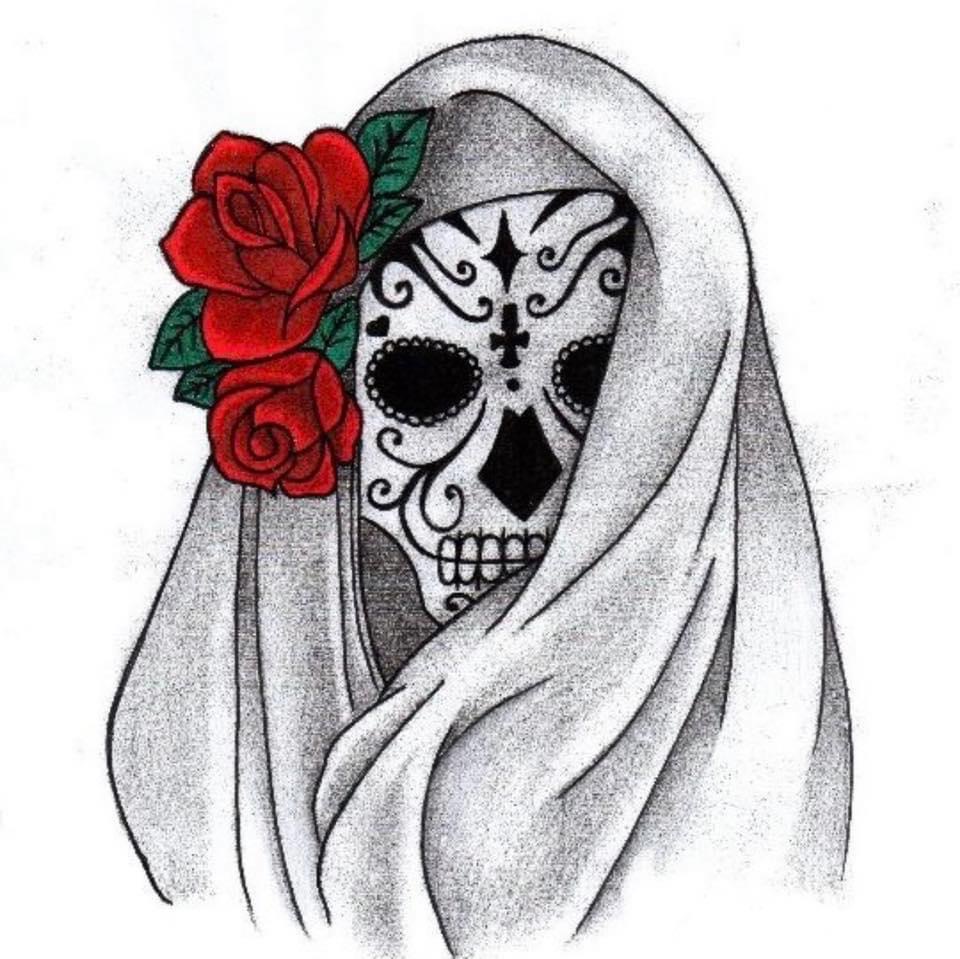
Afro-Bruja apothecaries represent a vibrant and deeply spiritual tradition that blends African heritage with mystical practices. These apothecaries are more than just shops; they are sacred spaces where ancestral knowledge, herbal wisdom, and spiritual healing converge. Rooted in centuries-old customs, Afro-Bruja apothecaries offer a unique approach to wellness that honors both the body and the spirit.
Understanding the Afro-Bruja Apothecary Tradition
Afro-Bruja apothecaries are grounded in the rich cultural tapestry of African diasporic spirituality. The term "bruja" means witch in Spanish, and when combined with "Afro," it highlights the African roots of these mystical practices. These apothecaries serve as hubs for herbal remedies, spiritual tools, and ritual supplies that support healing and empowerment.
The tradition draws from various African spiritual systems such as Yoruba, Vodun, and Palo, blending them with indigenous and Latinx influences. This fusion creates a powerful framework for healing that addresses physical ailments, emotional wounds, and spiritual blockages.
Key Elements of Afro-Bruja Apothecaries
Herbal Medicine: Utilizing plants and roots with specific healing properties.
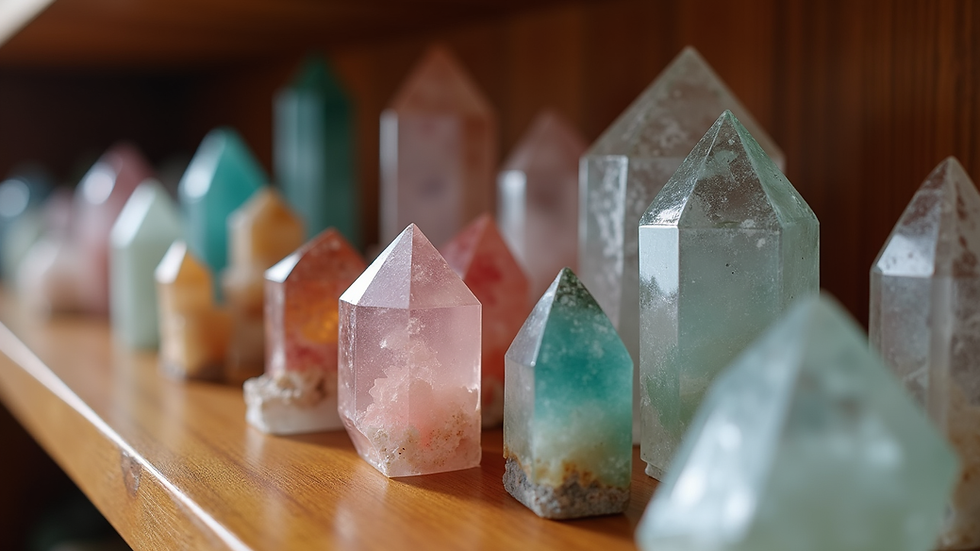
Spiritual Tools: Items like candles, crystals, and talismans used in rituals.
Ancestral Connection: Honoring ancestors through offerings and prayers.
Ritual Practices: Ceremonies designed to cleanse, protect, and empower.
These elements work together to create a holistic healing experience that nurtures the whole person.

The Role of Herbs and Natural Ingredients in Afro-Bruja Apothecaries
Herbs are the cornerstone of Afro-Bruja apothecaries. Each plant carries specific energies and medicinal properties that are carefully selected for different purposes. For example, sage is often used for cleansing negative energy, while hibiscus can be used to attract love and passion.
Many of these herbs are sourced from local environments or imported from Africa and the Caribbean, maintaining a strong connection to ancestral lands. The preparation of these herbs can vary from teas and tinctures to incense and bath blends.
Practical Uses of Afro-Bruja Herbs
Healing Teas: Infusions made from herbs like chamomile and lemongrass to soothe the body.
Spiritual Baths: Baths infused with herbs such as rosemary and basil to cleanse the aura.
Incense and Smudging: Burning herbs to purify spaces and invite positive energy.
Amulets and Sachets: Small bundles of herbs carried for protection or luck.
By understanding the specific properties of each herb, practitioners can tailor remedies to individual needs.
The Spiritual Significance of Afro-Bruja Apothecaries
Afro-Bruja apothecaries are not just about physical healing; they are deeply spiritual spaces. The rituals and tools found here are designed to connect individuals with their ancestors and the divine. This connection is essential for personal growth and transformation.
Many practitioners use divination tools such as cowrie shells or tarot cards to gain insight and guidance. These tools help bridge the gap between the physical and spiritual worlds, offering clarity and direction.
How Rituals Enhance Healing
Cleansing Rituals: Removing negative energies that block healing.
Protection Spells: Creating energetic shields against harm.
Manifestation Practices: Using intention and herbs to attract goals.
Ancestral Offerings: Honoring those who came before to receive blessings.
These practices empower individuals to take control of their spiritual and physical well-being.

How to Incorporate Afro-Bruja Apothecary Practices into Daily Life
You don’t need to be a seasoned practitioner to benefit from Afro-Bruja apothecary traditions. Simple practices can be integrated into everyday routines to promote wellness and spiritual balance.
Easy Ways to Start
Create a Small Altar: Dedicate a space with candles, crystals, and meaningful objects.
Use Herbal Teas: Incorporate healing herbs into your daily drinks.
Practice Smudging: Cleanse your home or workspace regularly with sage or palo santo.
Set Intentions: Use candles or herbs to focus on your goals and desires.
For those interested in exploring further, visiting a witchy apothecary can provide access to authentic supplies and guidance.
The Growing Popularity and Cultural Impact of Afro-Bruja Apothecaries
In recent years, Afro-Bruja apothecaries have gained recognition beyond their traditional communities. This resurgence is part of a broader movement to reclaim and celebrate African diasporic spirituality and healing arts.
These apothecaries offer a counter-narrative to mainstream wellness trends by emphasizing ancestral knowledge and cultural identity. They also provide a space for marginalized voices to share their stories and wisdom.
Why Afro-Bruja Apothecaries Matter Today
Cultural Preservation: Keeping ancient traditions alive in modern times.
Community Building: Creating supportive networks around shared heritage.
Holistic Health: Offering alternatives to conventional medicine.
Spiritual Empowerment: Encouraging self-discovery and resilience.
As more people seek authentic and meaningful healing, Afro-Bruja apothecaries continue to inspire and transform lives.
Exploring Afro-Bruja apothecaries reveals a rich world where healing, spirituality, and culture intertwine. Whether you are drawn to the herbal remedies, the sacred rituals, or the ancestral connections, these apothecaries offer valuable tools for personal and communal growth. Embracing these traditions can open new pathways to wellness and spiritual fulfillment.

Comments